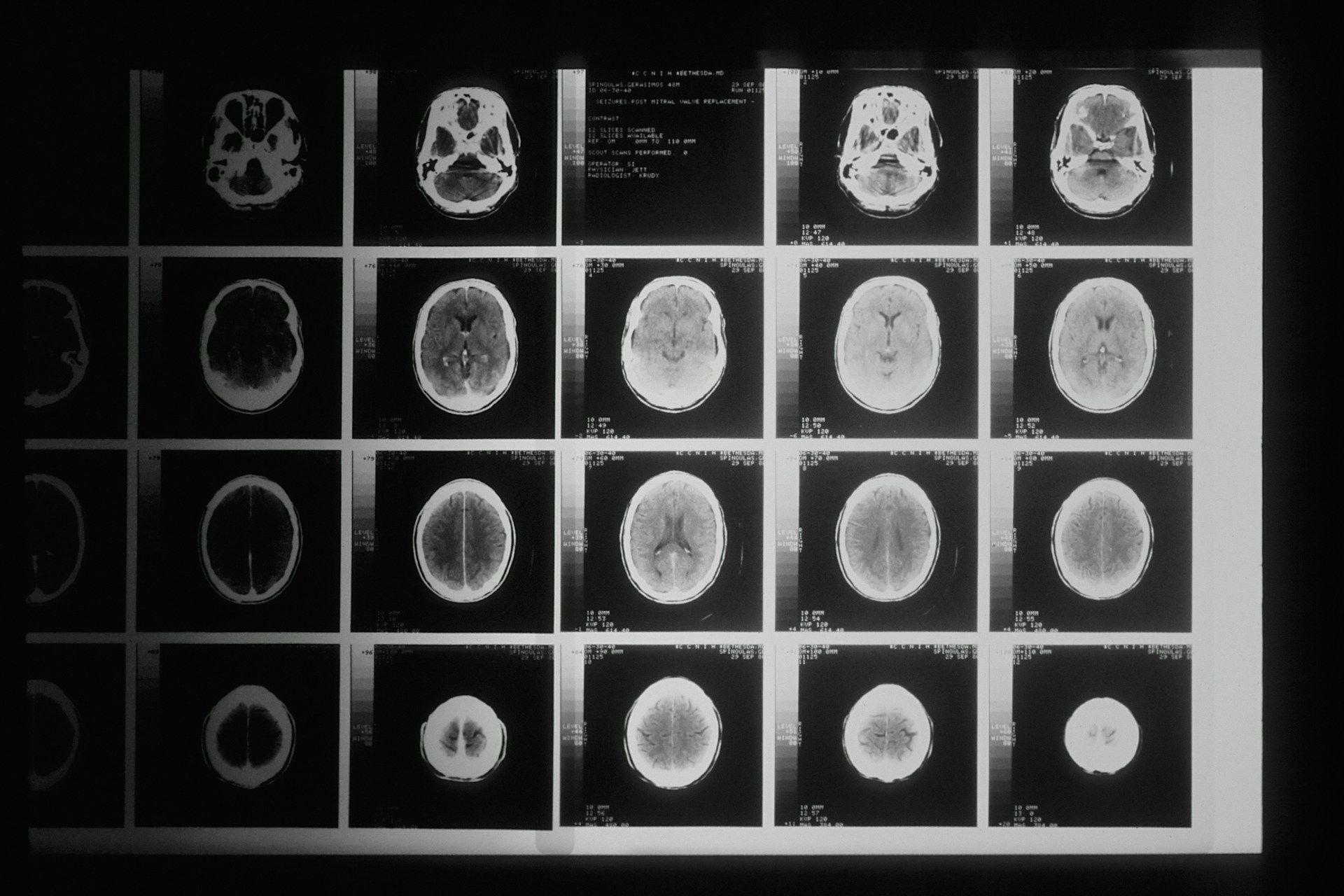
Ischemic stroke, caused by blocked blood flow to the brain, affects millions worldwide and remains a leading cause of death and long-term disability. While current treatment options help many patients, medical researchers continue exploring innovative approaches to protect brain cells and enhance recovery outcomes. A groundbreaking study published in PLOS ONE reveals the remarkable potential of Methylene Blue as a powerful neuroprotective treatment for stroke patients.
Advanced MRI Technology Reveals Stroke’s Impact
Researchers employed cutting-edge magnetic resonance imaging (MRI) technology to create precise, detailed maps of brain tissue affected by stroke. This sophisticated imaging approach enabled scientists to identify and analyze three distinct regions within the stroke-affected brain:
- Normal Tissue: Brain areas completely unaffected by the stroke event
- Ischemic Penumbra: Vulnerable brain tissue at risk of cell death but still receiving limited blood flow
- Ischemic Core: Brain tissue that has already suffered irreversible damage from the stroke
Methylene Blue’s Multi-Target Therapeutic Approach
The comprehensive study examined how Methylene Blue treatment affects post-stroke brain recovery in laboratory models. The research team discovered several remarkable therapeutic benefits:
- Significant Brain Damage Reduction: MB treatment dramatically decreased infarct volume, meaning less brain tissue died following stroke onset
- Enhanced Blood Flow Regulation: MB specifically increased blood circulation in the ischemic penumbra—the salvageable brain tissue most critical for recovery. Additionally, it prevented harmful excessive blood flow that could cause further tissue damage
- Optimized Cell Death Pathways: MB demonstrated the ability to influence cellular death mechanisms within the penumbra region. It effectively inhibited apoptosis (harmful programmed cell death) while simultaneously promoting autophagy (beneficial cellular recycling and repair processes)
Revolutionary Hope for Stroke Treatment
These compelling research findings offer substantial evidence supporting MB’s potential as an effective neuroprotective intervention for ischemic stroke patients. Through its ability to optimize blood flow, minimize cell death, and activate natural cellular repair mechanisms, Methylene Blue supplementation could dramatically transform stroke treatment outcomes. However, extensive clinical trials remain necessary to establish definitive safety profiles and therapeutic efficacy in human patients.
Key Clinical Implications
This pivotal research illuminates an exciting new therapeutic pathway for stroke intervention and recovery. Methylene Blue’s comprehensive approach—simultaneously targeting blood flow optimization, cell death prevention, and cellular repair enhancement—demonstrates unprecedented promise for protecting vulnerable brain tissue and accelerating post-stroke recovery. As clinical research advances, MB may emerge as an invaluable therapeutic tool in modern stroke medicine, offering hope to millions of patients and families affected by this devastating condition.