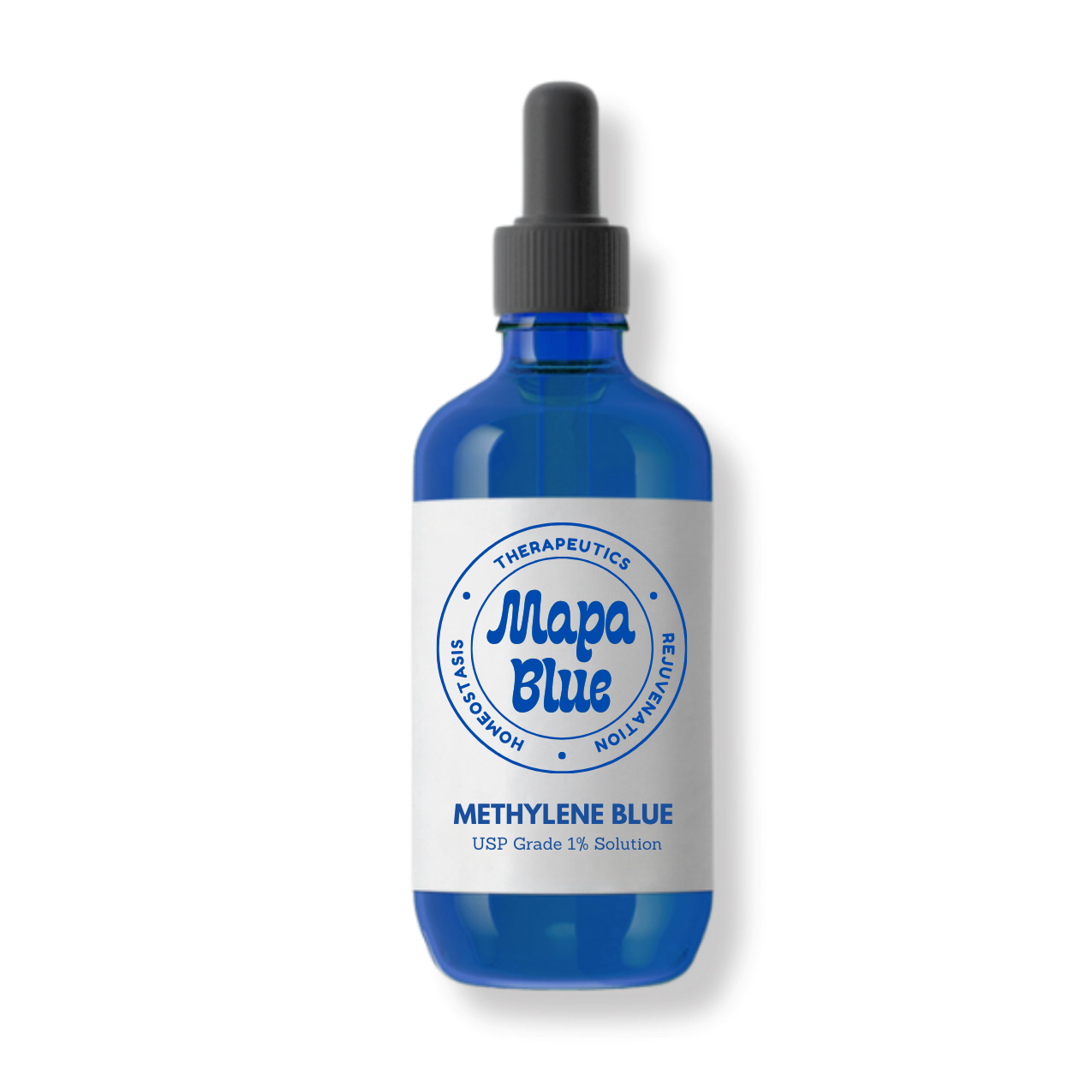
In the realm of health and wellness, antioxidants have emerged as powerful defenders against the ravages of oxidative stress—a key driver of aging, chronic diseases, and cellular damage. Among these antioxidants, methylene blue (MB) has garnered attention for its remarkable ability to combat oxidative stress and protect against cellular damage. But what exactly makes methylene blue such a potent antioxidant, and how does it exert its protective effects on the body?
At its core, the antioxidant properties of methylene blue stem from its unique molecular structure and versatile pharmacological actions. Methylene blue acts as an electron donor, readily giving up electrons to neutralize harmful free radicals—highly reactive molecules that can damage cellular structures and contribute to the development of various health conditions. By scavenging free radicals, methylene blue helps prevent oxidative damage and maintain cellular integrity.
Moreover, methylene blue possesses the ability to regenerate other antioxidants within the body, such as glutathione—a master antioxidant that plays a critical role in neutralizing free radicals and protecting cells from oxidative stress. Studies have shown that methylene blue can enhance glutathione levels and activity, thereby bolstering the body’s antioxidant defenses and augmenting its ability to combat oxidative damage.
Furthermore, methylene blue has been found to inhibit the production of reactive oxygen species (ROS)—highly reactive molecules generated during normal metabolic processes that can overwhelm the body’s antioxidant defenses and cause cellular damage. By reducing ROS production, methylene blue helps restore the delicate balance between oxidative stress and antioxidant defenses, thereby promoting cellular health and longevity.
Several studies have provided compelling evidence of methylene blue’s antioxidant properties. For instance, a study published in the journal Redox Biology in 2016 demonstrated that methylene blue protected against oxidative stress-induced cell death in human cells. Another study published in the journal Neurotoxicity Research in 2017 found that methylene blue reduced oxidative damage and improved mitochondrial function in rat brain cells.
Additionally, ongoing research continues to explore the therapeutic potential of methylene blue as an antioxidant in various disease conditions, including neurodegenerative diseases, cardiovascular disorders, and metabolic disorders. These studies aim to elucidate its mechanisms of action, assess its safety and efficacy, and explore its potential as a therapeutic agent for combating oxidative stress and promoting overall health.
In conclusion, methylene blue stands as a powerful antioxidant, offering potent protection against oxidative stress and cellular damage. By scavenging free radicals, enhancing antioxidant defenses, and reducing ROS production, methylene blue holds immense promise as a therapeutic agent for promoting cellular health and combating the effects of aging and disease. As research continues to unravel its antioxidant secrets, the potential of methylene blue as a guardian of health and longevity shines brightly on the horizon.