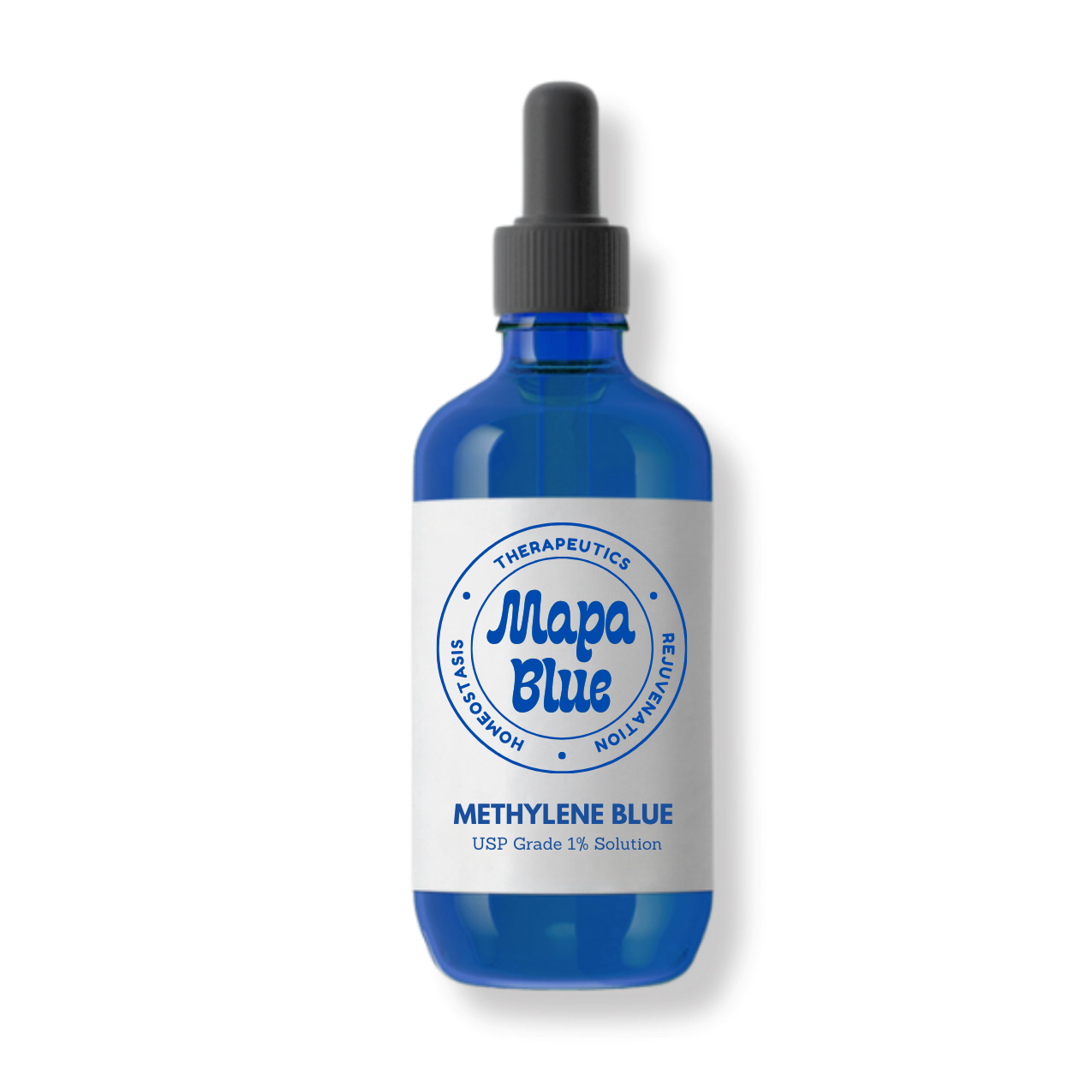
In the vast landscape of mental health care, the quest for innovative and effective treatments for depression is relentless. Amidst this search, methylene blue (MB) emerges as a beacon of hope, offering new perspectives on combating depressive symptoms. This unique compound, known for its vivid blue hue, has transcended its traditional uses to reveal potent antidepressant properties. But what sets methylene blue apart as an antidepressant, and how does it wield its mood-lifting powers?
Central to the antidepressant prowess of methylene blue is its sophisticated mechanism of action, which intersects with key biological pathways involved in mood regulation. Unlike conventional antidepressants, methylene blue operates on a broad spectrum of targets within the brain, orchestrating a symphony of reactions that collectively uplift the spirit.
Enhancing Neurotransmitter Dynamics
One of the hallmarks of depression is an imbalance in neurotransmitters, the brain’s chemical messengers. Methylene blue steps into this arena by modulating the activity of serotonin, norepinephrine, and dopamine—neurotransmitters directly implicated in mood and emotional well-being. By fine-tuning the levels and activity of these chemicals, methylene blue helps restore harmony to the brain’s communication networks, alleviating depressive symptoms.
Promoting Neuroplasticity and Brain Health
Beyond neurotransmitter modulation, methylene blue fosters an environment conducive to brain health and resilience. It stimulates neuroplasticity—the brain’s ability to form new connections and adapt to changes. This action is crucial, as depression often dampens the brain’s plasticity, making recovery more challenging. By invigorating the brain’s adaptive capabilities, methylene blue opens doors to lasting recovery and well-being.
Mitochondrial Support and Energy Boost
At the cellular level, methylene blue targets the mitochondria, the powerhouse of the cell, enhancing their efficiency and energy production. Depression has been linked to mitochondrial dysfunction, leading to diminished energy and vitality. By bolstering mitochondrial function, methylene blue injects a surge of energy into brain cells, counteracting the lethargy and fatigue commonly experienced in depression.
Empirical Evidence and Future Directions
The antidepressant effects of methylene blue are not merely theoretical but are supported by a growing body of research. For instance, a pivotal study published in the “Journal of Pharmacology and Experimental Therapeutics” revealed that methylene blue significantly reduced depressive-like behaviors in animal models. Moreover, preliminary clinical trials have demonstrated its efficacy in improving mood and cognitive function in individuals with depression, highlighting its potential as a standalone treatment or an adjunct to conventional therapies.
As research progresses, the focus is on elucidating the optimal dosages, understanding long-term effects, and identifying which subsets of patients may benefit the most from methylene blue therapy. The goal is to integrate methylene blue into the broader spectrum of antidepressant strategies, offering a novel, multi-faceted approach to tackling depression.
Conclusion
Methylene blue stands at the frontier of antidepressant research, offering a glimmer of hope for millions battling depression. Its unique ability to modulate neurotransmitters, enhance neuroplasticity, and energize brain cells positions it as a promising candidate in the quest for more effective and holistic treatments for depression. As we venture further into the mysteries of the brain and the complexities of depression, methylene blue shines as a symbol of innovation and potential, heralding a new era in mental health treatment.